
Forest Walks in Mumbai
Forest Trails Near Mumbai, Into the Wild Beyond the City
Mumbai is surrounded by forests that still feel untamed. Some are thick and humid. Some are open and breezy. Some are filled with birdsong, insect life, and old trees that have survived longer than most city buildings.
Wild Mumbai’s Forest Trails are guided explorations through forest ecosystems around Mumbai, designed for people who want to go deeper into nature, experience real wilderness, and understand how forests function beyond the surface beauty.
These Trails are not just walks. These Trails are field exploration.
What These Walks Actually Feel Like
These Trails feel like stepping out of Mumbai completely.
You will walk through shaded forest paths, listen to calls echoing through the canopy, spot movement in the undergrowth, and slowly realise how alive a forest really is when you stop talking and start observing.
These Trails often include longer walking distances than city Nature Walks, and they reward patience.
Forest wildlife is not loud. It is subtle, alert, and constantly watching you before you notice it.
Why Mumbai Is Special for These Trails
Mumbai has access to an incredible forest belt within a few hours: from lowland forests and scrub zones to richer hill ecosystems.
These forests are important because they:
- Support biodiversity far beyond what city parks can hold
- Act as water catchment systems
- Provide habitat connectivity for wildlife
- Represent some of the last remaining natural ecosystems near an expanding city
These Trails also help people understand what “real habitat” looks like, compared to manicured urban greenery.
What You Might See on These Walks
These Trails focus on realistic wildlife that is commonly found in forest ecosystems near Mumbai.
Depending on the location and season, you may observe:
- Forest birds such as drongos, barbets, bulbuls, and flycatchers
- Raptors soaring above clearings
- Butterflies and moths, especially near water sources
- Frogs, toads, and other amphibians during wetter months
- Lizards, skinks, and occasionally snakes
- Animal signs like tracks, scat, claw marks, and feeding evidence
- Large native trees, forest climbers, and seasonal flowers
These Trails are also excellent for understanding how forests change between dry season and monsoon season.
What You Will Learn on These Walks
These Trails are designed to give participants real ecological understanding.
Participants usually learn:
- How forests regulate climate and water systems
- How to observe wildlife using indirect evidence
- How forest layers work: canopy, understory, forest floor
- How insect life drives decomposition and nutrient cycling
- How birds and mammals depend on fruiting and flowering cycles
- Why forest fragmentation is one of the biggest threats to biodiversity
These Trails are especially valuable for people who want to move beyond casual nature appreciation into deeper learning.
Where These Trails Usually Happen
These Trails usually take place at forest locations such as:
- BNHS Conservation Education Centre (CEC)
- Karnala Bird Sanctuary
- Matheran forest zones
- Sanjay Gandhi National Park
Exact meeting points and trail routes are shared after booking.
Locations are chosen based on biodiversity value, seasonality, and overall experience quality.
When These Trails Are Best
These Trails can happen throughout the year, but the experience changes dramatically across seasons.
The best time for these Trails is usually:
- Early mornings for soft light and maximum bird activity
- Cooler months for comfort and long walks
- Monsoon and Post-monsoon periods when forests are lush and active
Some trails are especially rich during monsoon and post-monsoon due to amphibians, insects, and forest regeneration.
Who These Walks Are Ideal For
These Trails are ideal for:
- Nature lovers looking for deeper wilderness experiences
- Birdwatchers wanting forest species
- Students and educators
- Wildlife photographers
- People who enjoy long walks and exploration
- Anyone who wants to understand forests beyond surface beauty
These Trails are not difficult, but they involve more walking than city Nature Walks.
What to Carry and How to Prepare
Recommended:
- Proper walking shoes
- Drinking water and light snacks
- Cap, sunscreen, and insect repellent
- Optional: binoculars and camera
- A rain jacket during wet seasons
Forest Trails are longer, so preparation improves comfort.
Nature Ethics on These Trails
Wild Mumbai follows responsible forest exploration ethics:
- No feeding wildlife
- No littering
- No loud noise in sensitive zones
- No disturbing nests, burrows, or microhabitats
- Respect forest rules and protected area regulations
These Trails are about learning and observation, not interference.
About the Guides and Wild Mumbai
These Trails are guided by trained naturalists with academic grounding in biodiversity and wildlife ecology, and experience leading educational trails across Maharashtra’s ecosystems.
The focus is on building understanding, not rushing for sightings. Every forest has a story, and these Trails are designed to help you read it.
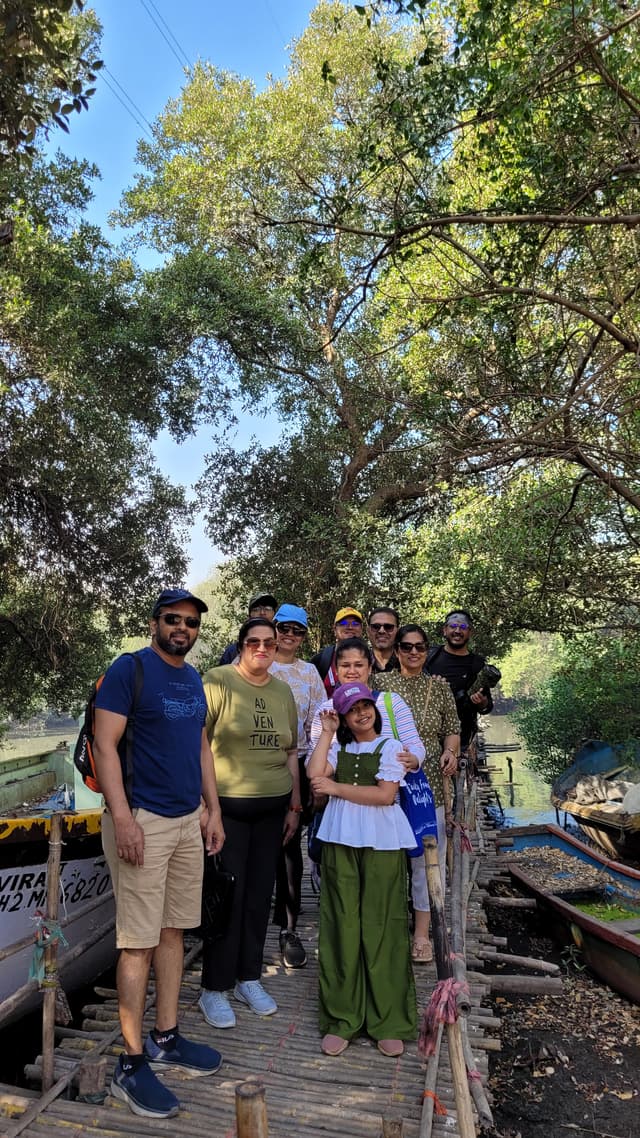
Real Moments from These Trails
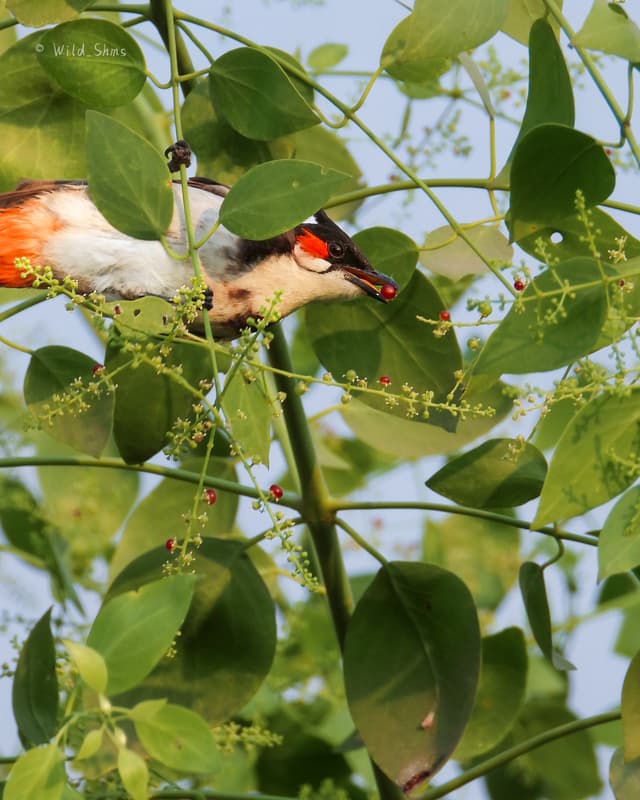
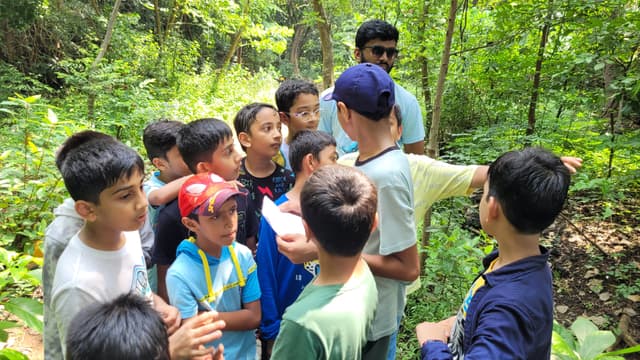
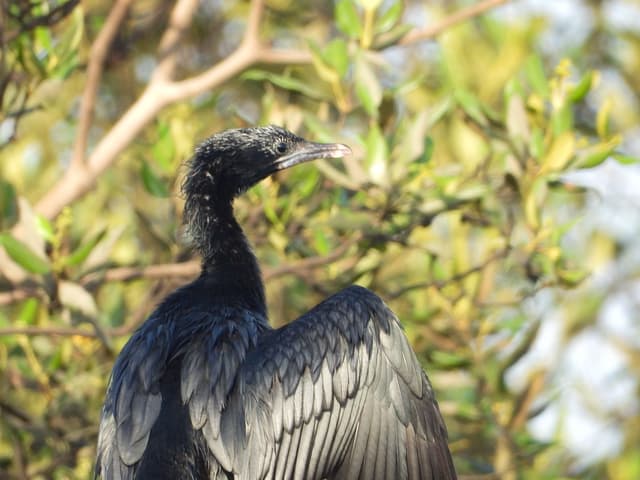
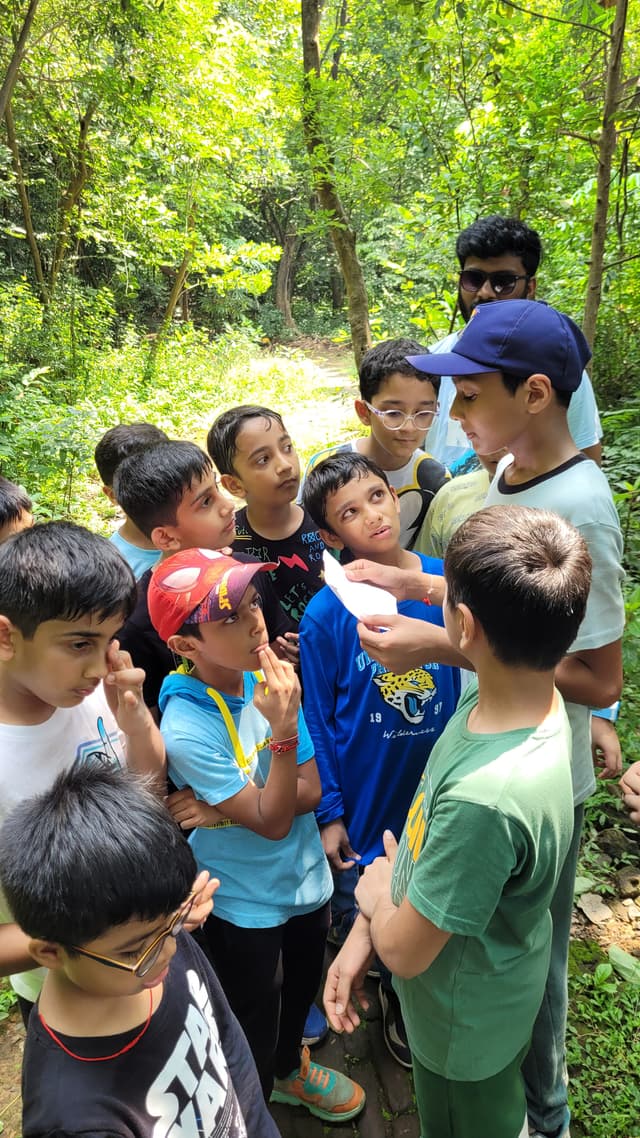
How to Join a Marine Walk
If these Trails sound like your kind of adventure, you can:
- Browse upcoming dates based on tide schedules
- Book directly online
- Message us on WhatsApp if you are unsure which walk to choose
We will help you pick the right date based on tide and location.
More Trails to Explore
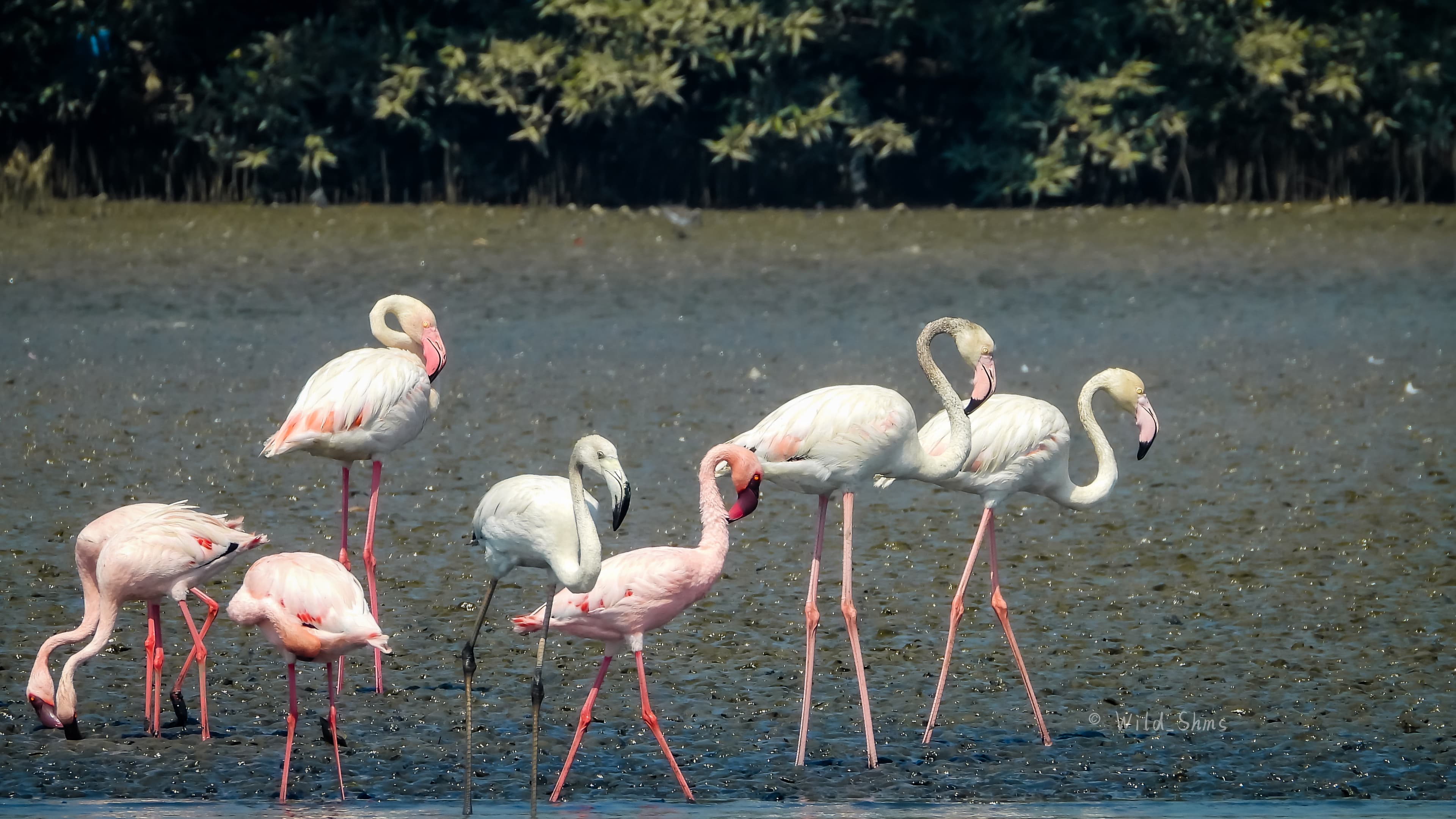
Birding Trails in Mumbai
Step into the world of feathers and calls with our guided Birding Trails across Mumbai’s hidden green pockets. Perfect for beginners and seasoned birders alike, these trails bring you face-to-beak with the city’s most fascinating winged residents.
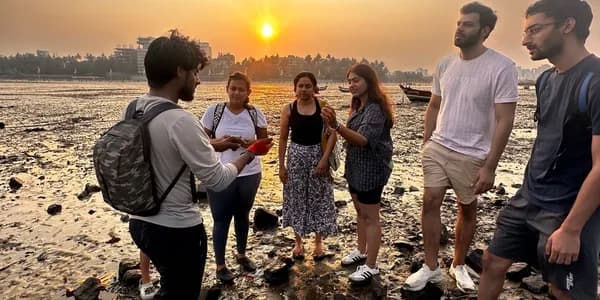
Marine Walks in Mumbai
Explore Mumbai’s shores like never before with our Marine Walks — an intertidal safari where the sea reveals its hidden treasures. Witness marine life up close without diving in!
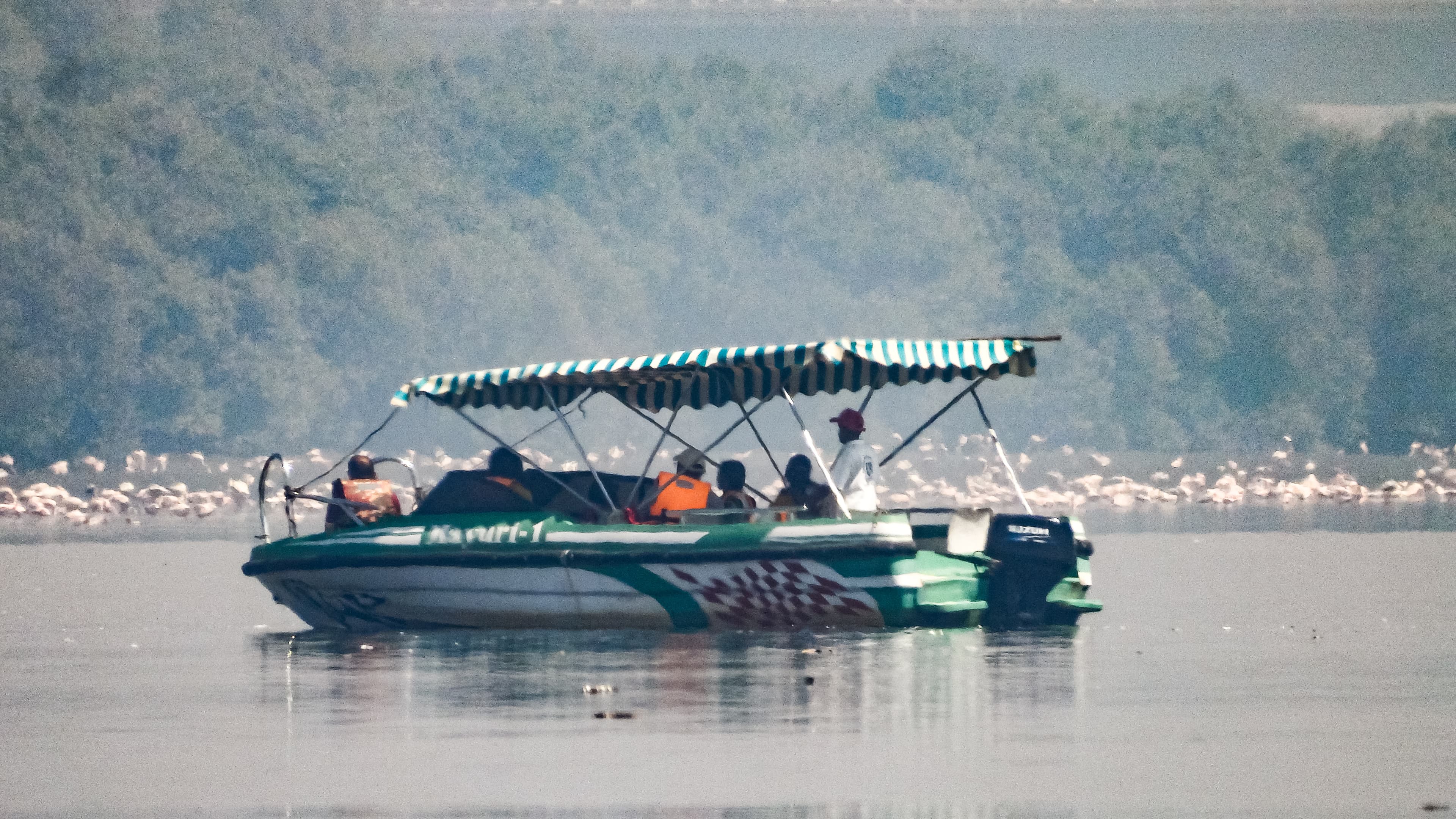
Flamingo Boat Rides in Mumbai
Witness thousands of flamingos in Mumbai’s creeks on guided boat rides through mangrove wetlands.

Nature Walks in Mumbai
Discover the hidden natural wonders of Mumbai with our guided Nature Walks, exploring the city’s green pockets, wetlands, and coastal ecosystems through the eyes of a naturalist.