
Birding Trails in Mumbai
Birding Trails in Mumbai, A Guide to the City’s Hidden Bird life
Mumbai is louder than most forests, faster than most rivers, and yet, quietly alive with birds once you know where and how to look.
Wild Mumbai’s birding trails are guided explorations into the city’s wetlands, mangroves, green pockets, and forgotten edges, designed for people who want to understand what they are seeing, not just tick species off a list.
Whether you are a complete beginner or someone who already owns binoculars and too many bird photos, this is where your birdwatching becomes sharper, deeper, and far more rewarding.
What These Trails Actually Feel Like
This is not a rushed walk where someone points at birds and recites names. A typical Wild Mumbai trail feels more like learning to read a new language, except the alphabet is made of calls, behaviour, posture, flight patterns, and habitat clues.
You will spend time observing quietly, asking questions, laughing at how often birds outsmart us, and slowly realising that what once looked like “just trees” is actually a layered, complex, living system.
Some days bring spectacular sightings. Other days bring subtle lessons. Both are equally valuable.
Why Birding in Mumbai Is Special
Mumbai sits on a powerful ecological intersection. The city hosts coastal mudflats, mangrove forests, freshwater wetlands, and urban green spaces, all within a short distance.
This makes it a seasonal crossroads for:
- Migratory birds arriving from Central Asia and beyond
- Resident species that have adapted brilliantly to urban life
- Wetland specialists found in very few major cities
Birdwatching here is not just about superficial beauty of some “hero” species, it is about understanding how wildlife survives in one of the most densely populated cities on Earth.
What You Might See on These Trails
Every habitat offers a different cast of characters.
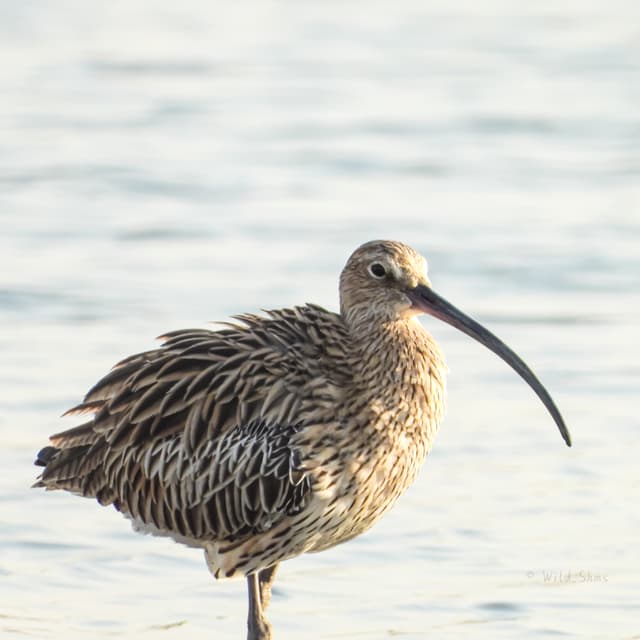
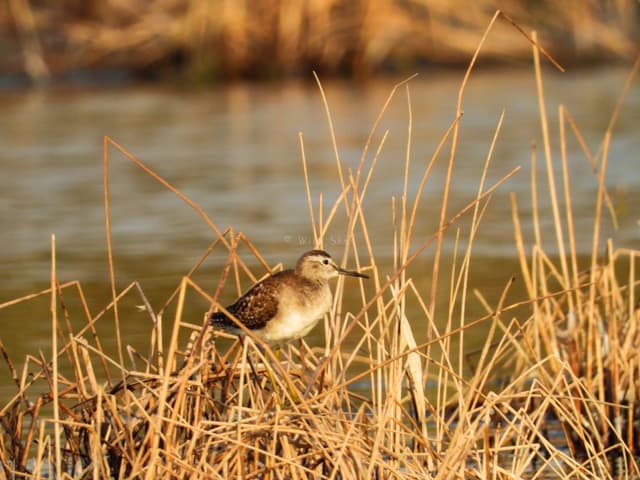
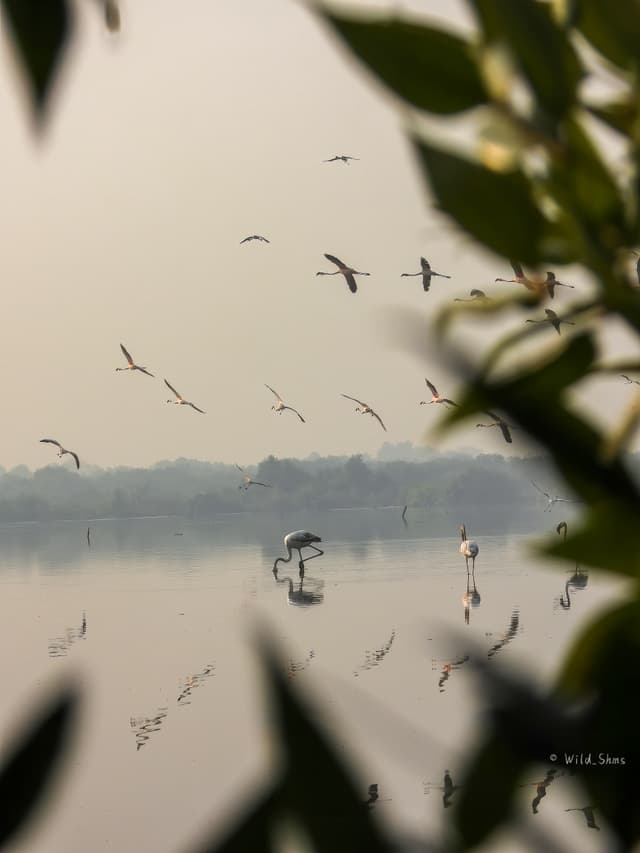
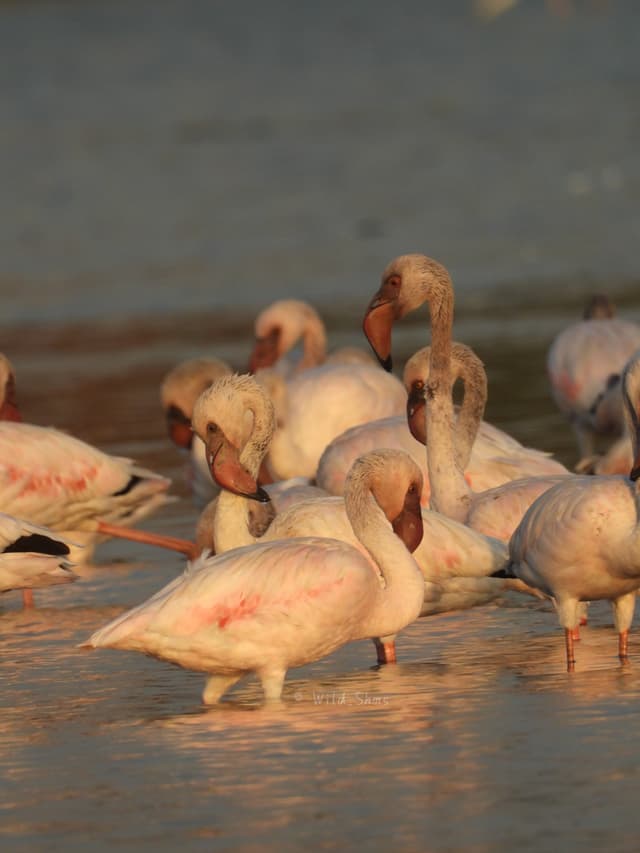
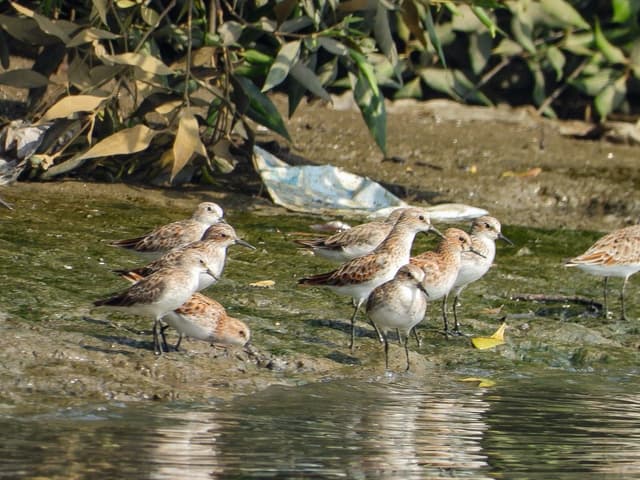
Along wetlands and mudflats, you might see flamingos feeding in shallow water, sandpipers and plovers moving quickly along the waterline, and egrets or herons standing patiently as they hunt.
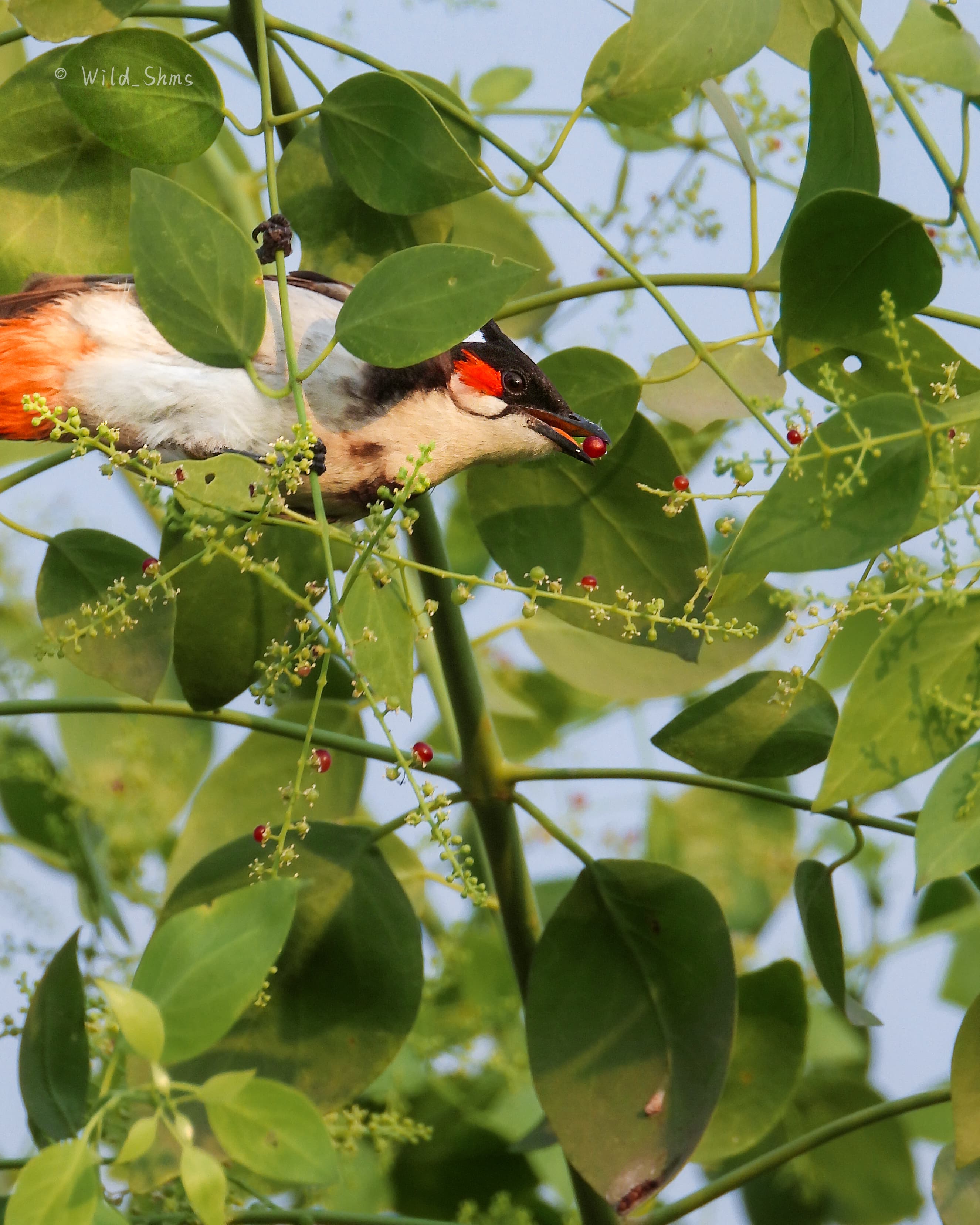
In greener patches, you might notice drongos chasing insects mid-air, sunbirds visiting flowers, bulbuls calling loudly from treetops, and tailorbirds disappearing into thick foliage like tiny green ghosts.
During winter, migratory visitors add another layer entirely. During monsoon, monsoon migratory birds tell a different story.No two walks are identical, which is exactly the point.
What You Will Learn on These Trails
You will leave with more than photographs.
Participants typically learn:
- How to identify birds using shape, behaviour, movement, and sound
- How habitat influences which species are present
- Why certain birds behave the way they do
- How to notice details most people miss
- How to observe without disturbing wildlife
- How to become a better, more ethical naturalist
This is slow, layered learning, the kind that stays with you long after the walk ends.
Where These Trails Usually Happen
Locations vary based on season and conditions, but commonly include biodiversity-rich areas such as:
- Nature Parks
- Wetlands
- Mangrove edges
- Select urban forest fragments
Exact locations are sometimes shared after booking to protect sensitive habitats and ensure responsible visitation. Each site is chosen for ecological value, accessibility, and learning potential.
Who These Trails are Ideal For
These walks work especially well for:
- Curious beginners who want to learn properly
- Nature lovers who feel disconnected from the outdoors
- Bird photographers wanting better field skills
- Students and educators seeking real-world ecology
- Families with older children who enjoy exploration
You do not need prior knowledge. You only need curiosity.
What to Carry and How to Prepare
Keep it simple:
- Comfortable walking shoes
- Drinking water
- Cap and sun protection
- Binoculars if you have them, we help you learn to use them
- A phone or camera if you enjoy documenting what you see
Most importantly, bring patience and attention, they are your best tools.
Nature Ethics on Our Trails
We follow and actively teach responsible wildlife practices:
- No playback of bird calls
- No chasing or disturbing animals
- No feeding wildlife
- Respect for habitats and local communities
- Leave no trace principles
The goal is not just to see nature, but to learn how to belong respectfully within it.
About the Guides and Wild Mumbai
Wild Mumbai trails are led by trained naturalists with academic grounding in biodiversity and field ecology, and years of experience guiding diverse audiences across habitats.
The focus is not entertainment. The focus is clarity, depth, and helping people genuinely understand the living world around them.
This is slow nature, thoughtful nature, real nature.
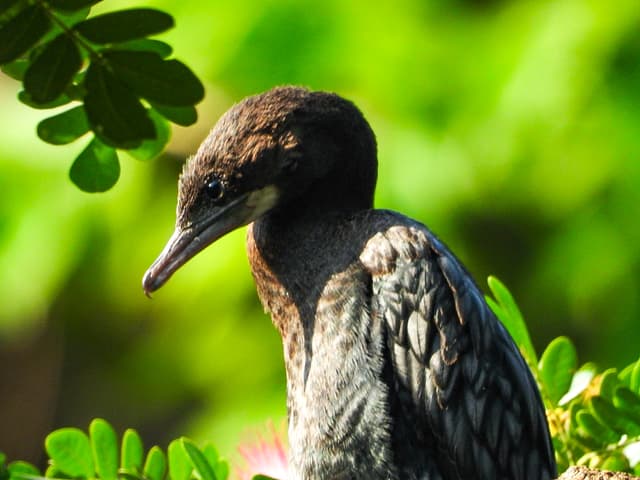
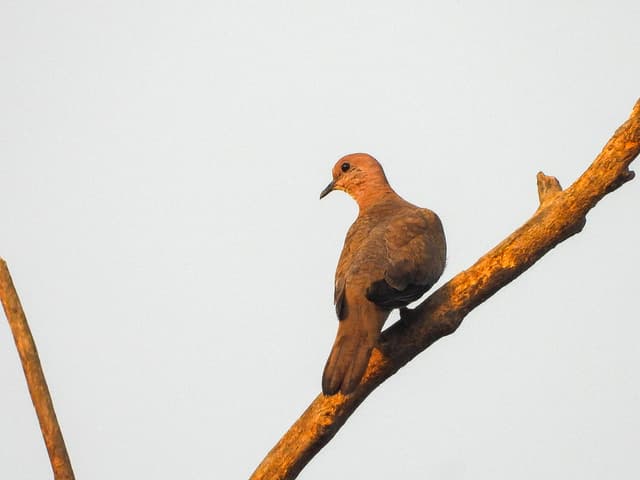
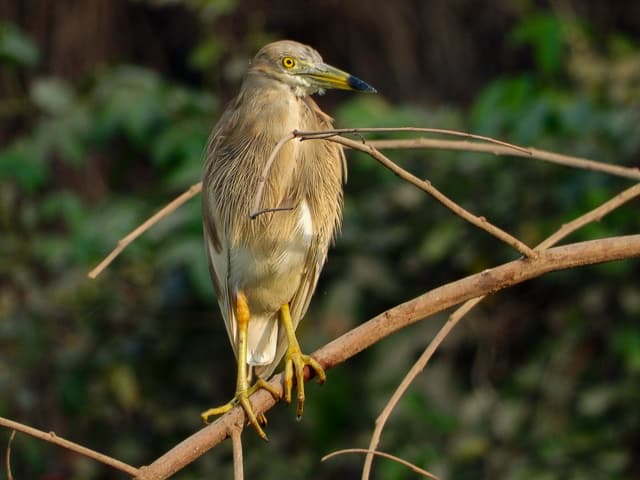
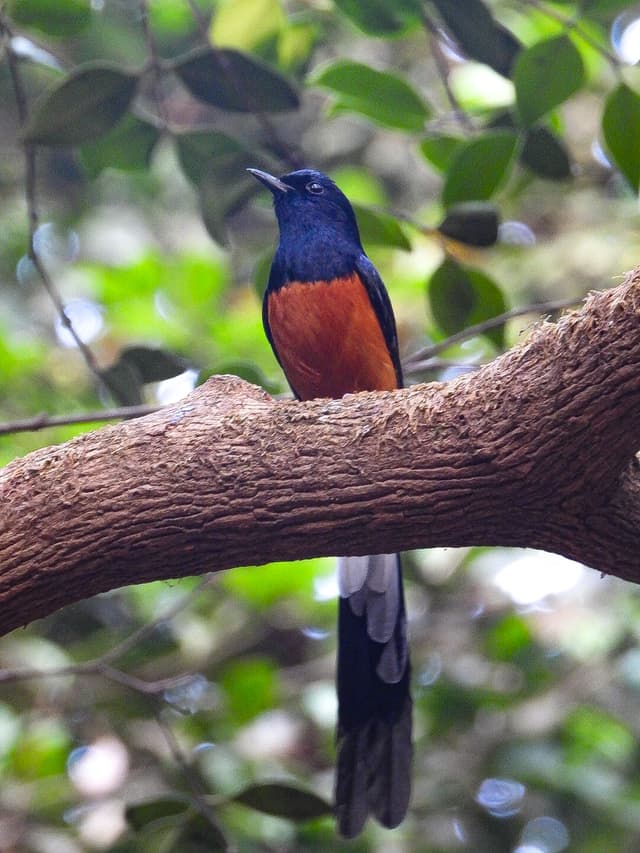
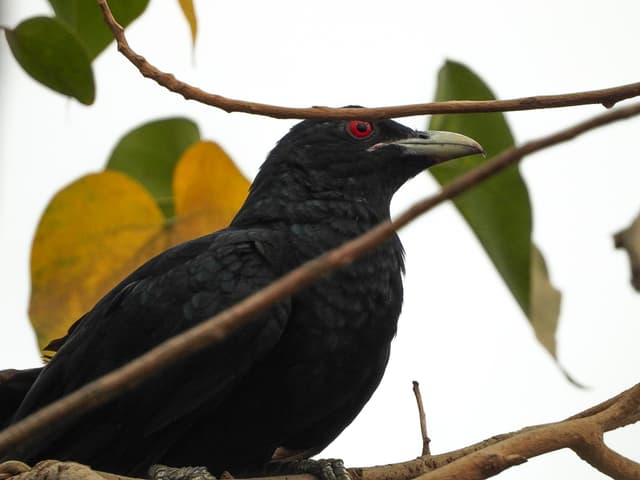
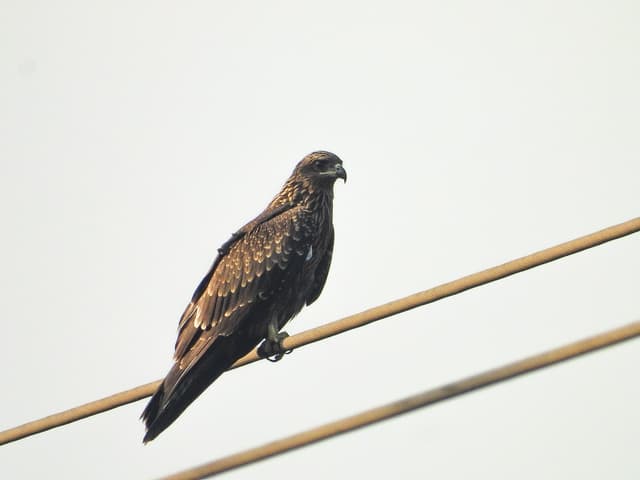
Real Moments from These Trails
How to Join a Birding Trail
If this feels like your kind of experience, you can:
- Browse upcoming events/dates
- Book directly online
- Or message us on WhatsApp if you are unsure which trail to choose
We are happy to guide you before you even step outdoors.
More Trails to Explore
Marine Walks in Mumbai
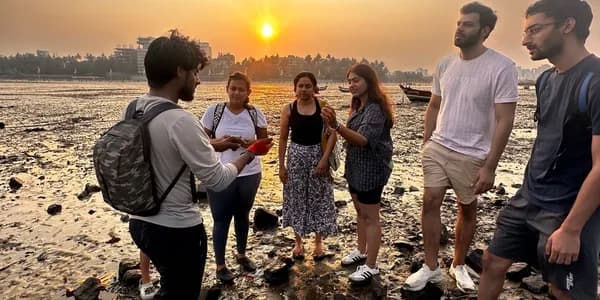
Explore Mumbai’s shores like never before with our Marine Walks — an intertidal safari where the sea reveals its hidden treasures. Witness marine life up close without diving in!
Forest Walks in Mumbai
Immersive forest walks through Mumbai’s green lungs, blending ecology, storytelling, and mindful exploration.
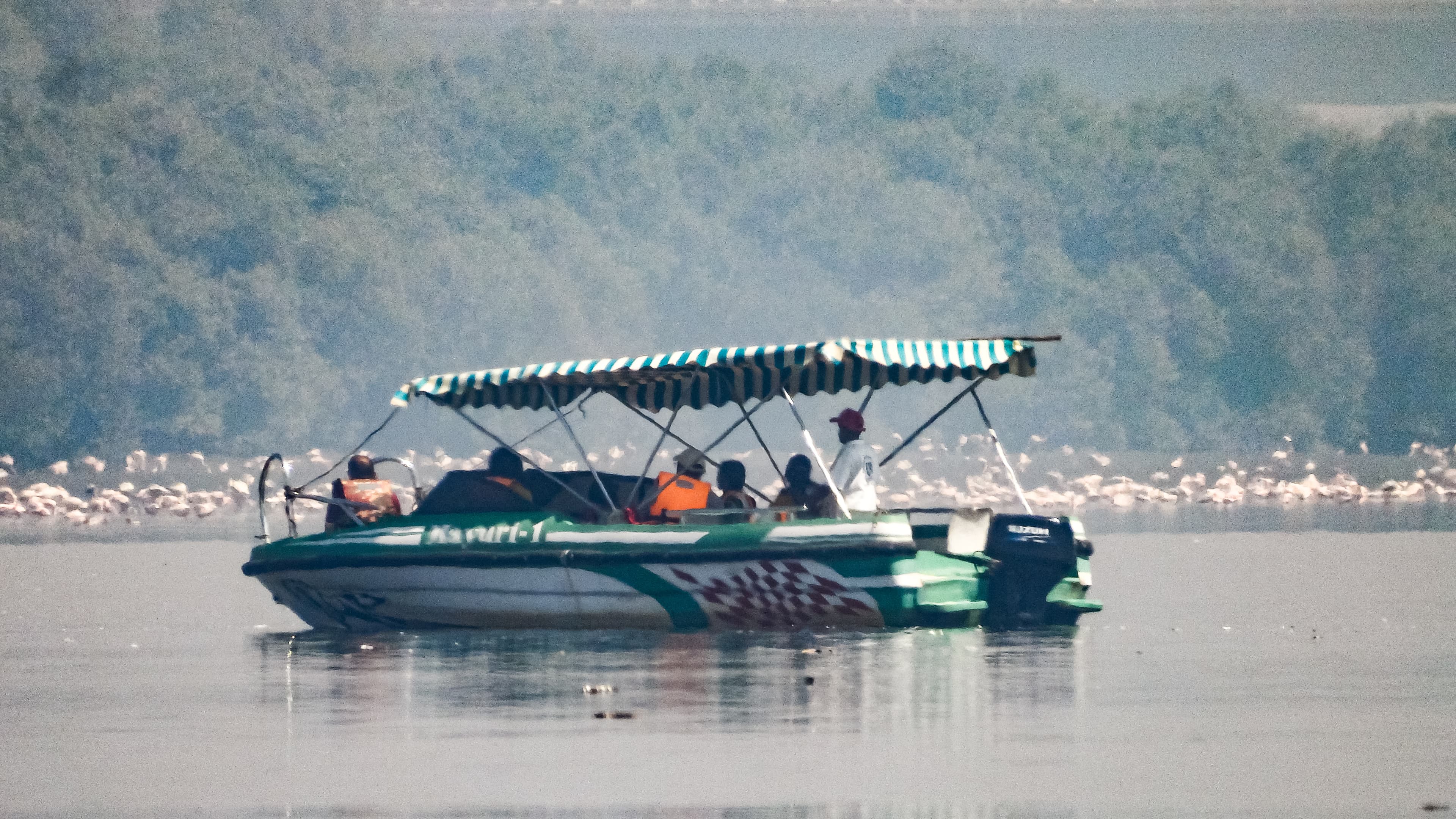
Flamingo Boat Rides in Mumbai
Witness thousands of flamingos in Mumbai’s creeks on guided boat rides through mangrove wetlands.
Nature Walks in Mumbai
Discover the hidden natural wonders of Mumbai with our guided Nature Walks, exploring the city’s green pockets, wetlands, and coastal ecosystems through the eyes of a naturalist.