
Marine Walks in Mumbai
Marine Walks in Mumbai, Exploring Life Between the Tides
Mumbai has a secret world that most people never see, not because it is far away, but because it only appears for a few hours.
When the tide pulls back, the shoreline becomes a living classroom: crabs, shells, seaweed, tiny fish, and creatures that look like they belong in a documentary, not in a city.
Wild Mumbai’s Marine Walks are guided explorations of the intertidal zone, designed for people who want to experience the coast with curiosity, respect, and a deeper understanding of how marine ecosystems work.
These Trails are not about “finding rare creatures”. These Trails are about learning how to observe the ocean properly.
What These Walks Actually Feel Like
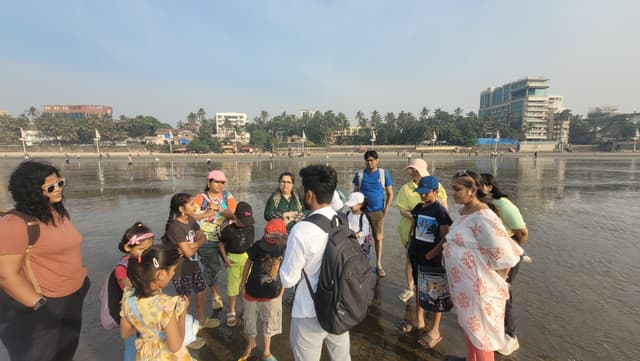
These Trails happen during low tide, when the sea exposes rocky patches, pools of trapped water, and sandy stretches filled with life. The walk is slow, careful, and full of pauses, because the shoreline rewards attention.
You will spend time crouching near tide pools, spotting movement between rocks, learning how organisms survive wave impact, heat, drying, and predators, all in one of the harshest habitats on Earth.
It is messy, salty, and honestly, one of the coolest outdoor experiences Mumbai has to offer.
Why Mumbai Is Special for These Trails
Mumbai’s coastline is more than just beaches and sea views. It is a mix of rocky shores, sandy stretches, and coastal ecosystems shaped by the Arabian Sea’s tides.
The intertidal zone is where marine life survives on a schedule. Twice a day, the habitat changes completely, from underwater world to exposed land. That constant change creates an ecosystem full of specialised organisms, many of which are perfectly adapted to survive drying, overheating, and strong wave action.
These Trails reveal a side of Mumbai most people never realise exists.
What You Might See on These Walks
These Trails focus on organisms that are genuinely common and regularly found on Mumbai’s shores.
Depending on the location and tide conditions, you might see:
- Crabs hiding under rocks or moving sideways across wet sand
- Hermit crabs carrying borrowed shells like portable apartments
- Small fish trapped in shallow pools, waiting for the tide to return
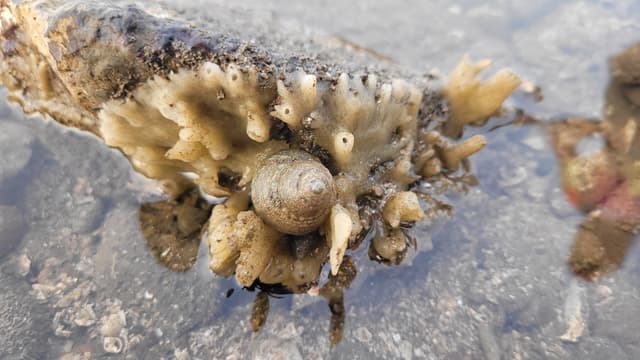
- Sea snails and other molluscs attached to rocks or moving slowly across surfaces
- Starfish and limpets clinging tightly to survive waves
- Sea anemones, often mistaken for plants or flowers until they move
- Marine worms and other small coastal invertebrates revealed when sand shifts
- Seaweed and algae that form the base of the coastal food web
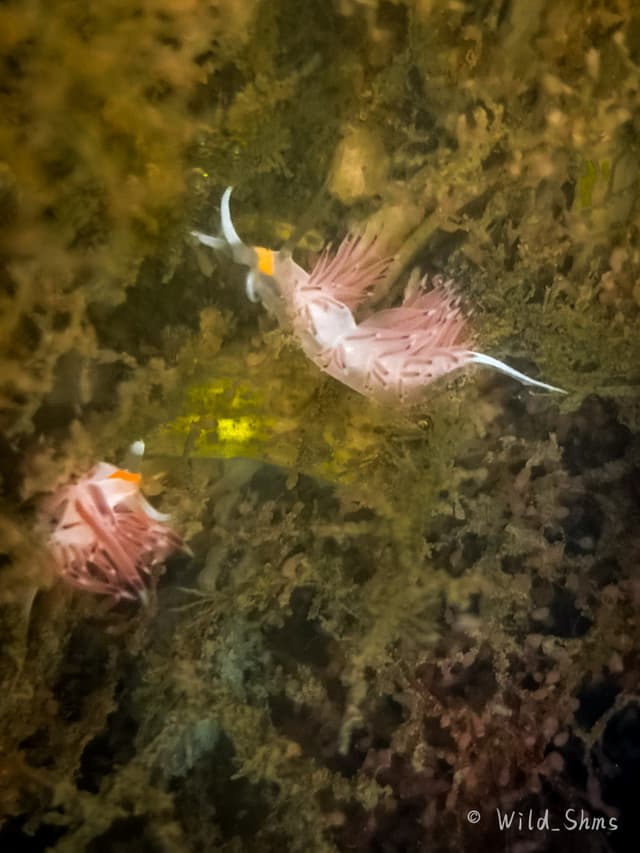
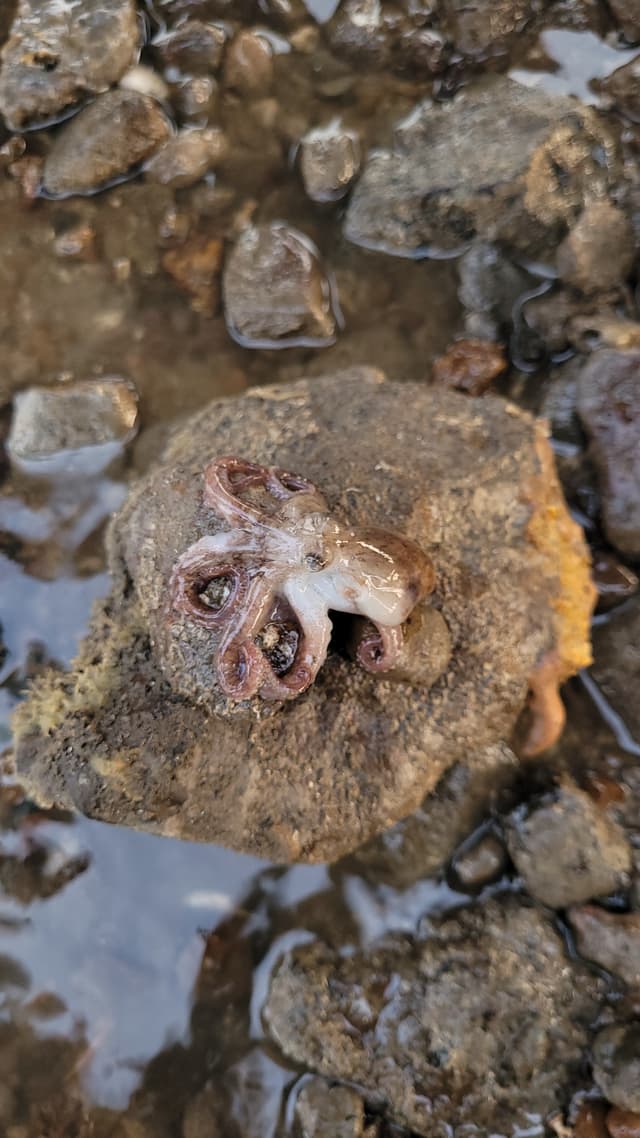
Sometimes, these Trails also offer sightings of Octopus trapped in tidepools or jellyfish washed ashore, or interesting shells and egg cases, depending on the season and sea conditions.
No two Trails are identical, because the ocean does not repeat itself for your convenience.
What You Will Learn on These Walks
These Trails are designed to turn “oh what is that?” into “wait, that is brilliant!”.
Participants usually learn:
- What the intertidal zone is, and why tides control everything here
- How marine organisms survive heat, drying, and wave impact
- How some animals cling to rocks and others burrow into sand
- The basics of identifying common shoreline creatures
- How to observe marine life without harming it
- Why coastal ecosystems are fragile, even when they look tough
These Trails are also a great introduction to marine ecology for beginners, because everything is visible, interactive, and real.
Where These Trails Usually Happen
These Trails take place at selected coastal locations around Mumbai, depending on tide timing and safety conditions.
Common zones include:
- Carter Road and nearby rocky shore patches
- Haji Ali intertidal stretches
- Juhu beach
- Bhuigaon and other accessible coastal belts
Exact meeting points are shared after booking, based on tide schedule and trail planning.
Locations are chosen for biodiversity, safe access, and the ability to explore without disturbing sensitive areas.
When These Trails Are Best
These Trails are completely tide-dependent. They only happen during low tide windows, when the shoreline becomes walkable and visible.
These Trails do not take place during the monsoon season due to safety conditions, unpredictable waves, and reduced access
The best time for these Trails is usually:
- Early morning low tides
- Late afternoon low tides
- Cooler seasons when the shoreline is easier to explore
Tide timing changes every day, so the schedule is never fixed like a normal event.
Who These Walks Are Ideal For
These Trails are ideal for:
- Curious beginners who want a guided introduction to marine life
- Families with children who enjoy hands-on exploration
- Students and educators interested in coastal ecology
- Photographers who enjoy textures, patterns, and close-up wildlife
- People who want a unique Mumbai experience beyond cafes and malls
You do not need marine biology knowledge. These Trails are designed to build it.
What to Carry and How to Prepare
These Trails are fun, but preparation matters.
Recommended:
- Shoes with good grip, the rocks can be slippery
- Water bottle
- Cap and sun protection
- Clothes you do not mind getting a little wet
- Optional: phone camera, macro lens, or binoculars (for coastal birds nearby)
Avoid sandals with poor grip. These Trails involve careful walking and slow exploration.
Nature Ethics on These Trails
Wild Mumbai follows and teaches responsible intertidal practices:
- No collecting shells, animals, or “souvenirs”
- No pulling animals off rocks
- No flipping rocks and leaving them exposed
- No stepping into tide pools unnecessarily
- Leave the habitat exactly as you found it
These Trails are about learning to observe the coast, not disturbing it.
About the Guides and Wild Mumbai
These Trails are led by trained naturalists with academic grounding in biodiversity and marine ecology, and real experience guiding people through Mumbai’s coastal ecosystems.
The goal is not to overwhelm you with scientific names. The goal is to make you understand what you are looking at, and why it matters.
These Trails are designed for people who like learning, exploring, and seeing the city differently.
Real Moments from These Trails
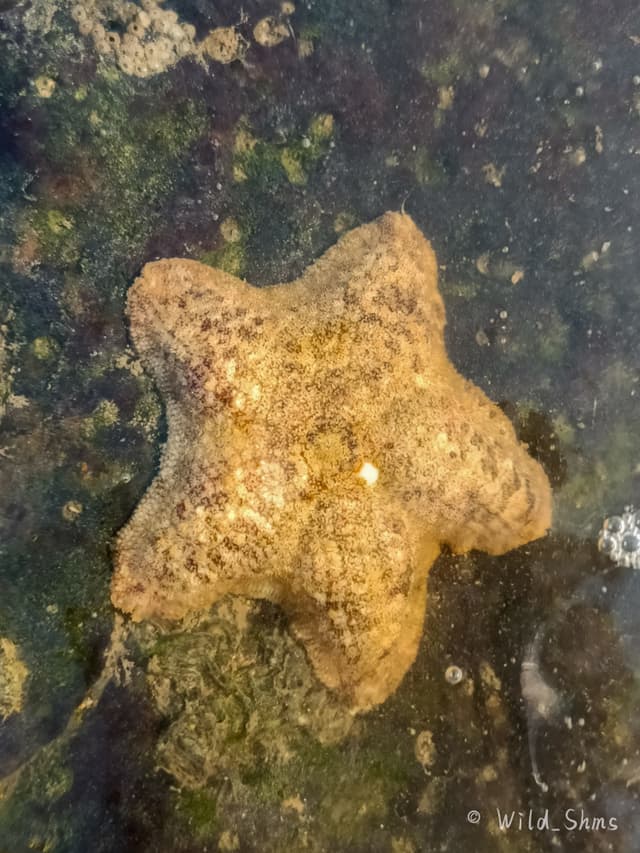
How to Join a Marine Walk
If these Trails sound like your kind of adventure, you can:
- Browse upcoming dates based on tide schedules
- Book directly online
- Message us on WhatsApp if you are unsure which walk to choose
We will help you pick the right date based on tide and location.
More Trails to Explore
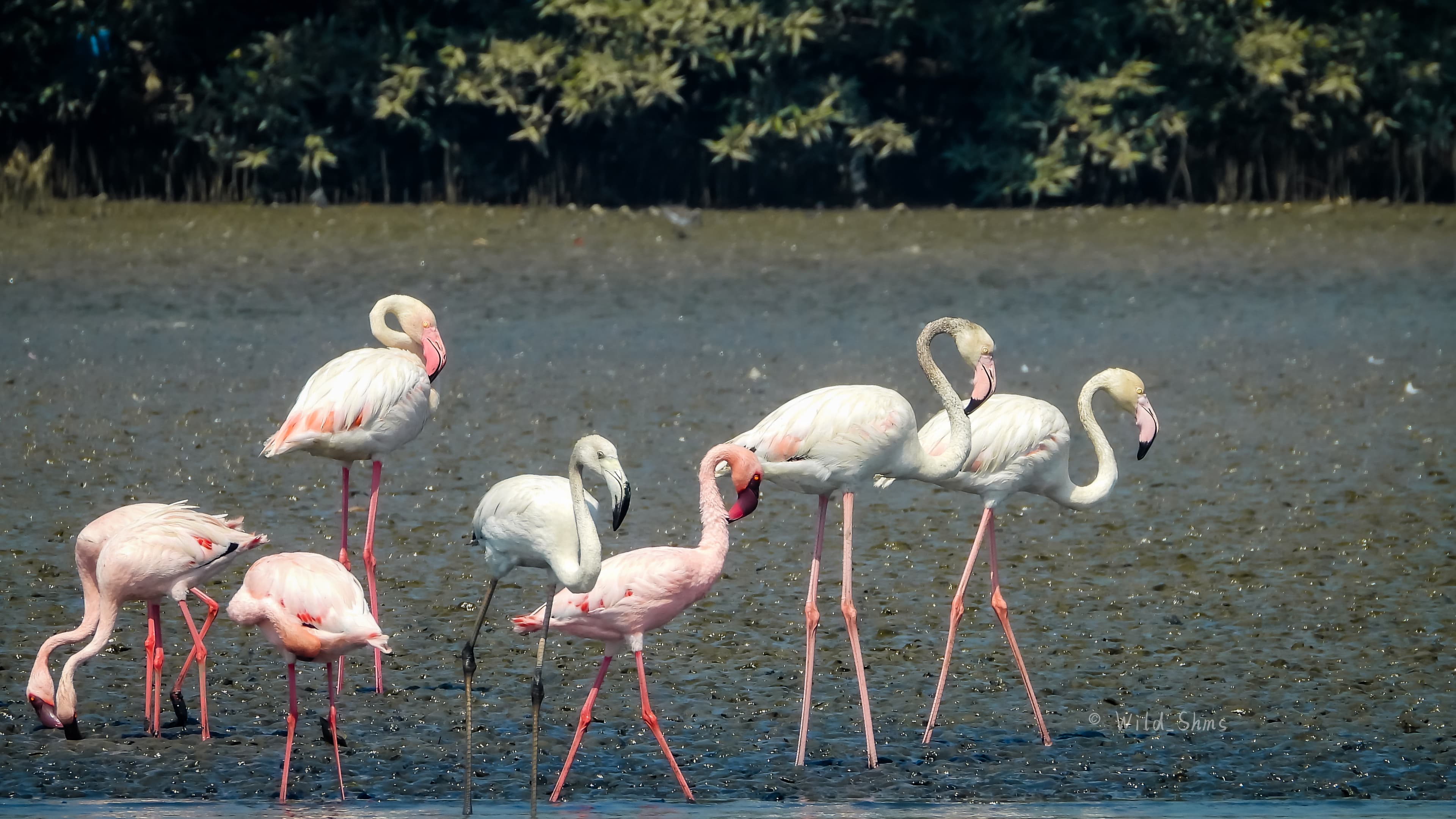
Birding Trails in Mumbai
Step into the world of feathers and calls with our guided Birding Trails across Mumbai’s hidden green pockets. Perfect for beginners and seasoned birders alike, these trails bring you face-to-beak with the city’s most fascinating winged residents.
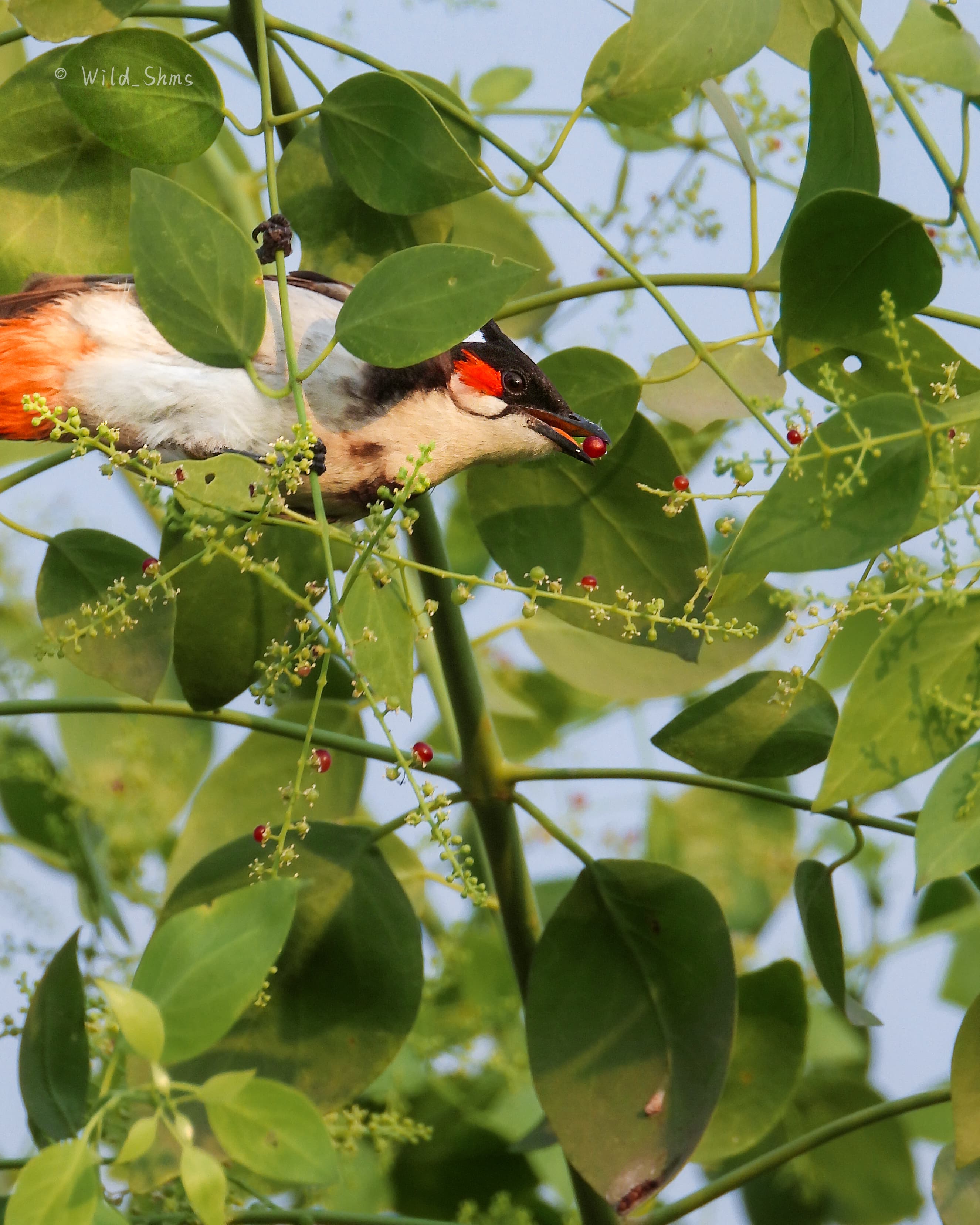
Forest Walks in Mumbai
Immersive forest walks through Mumbai’s green lungs, blending ecology, storytelling, and mindful exploration.
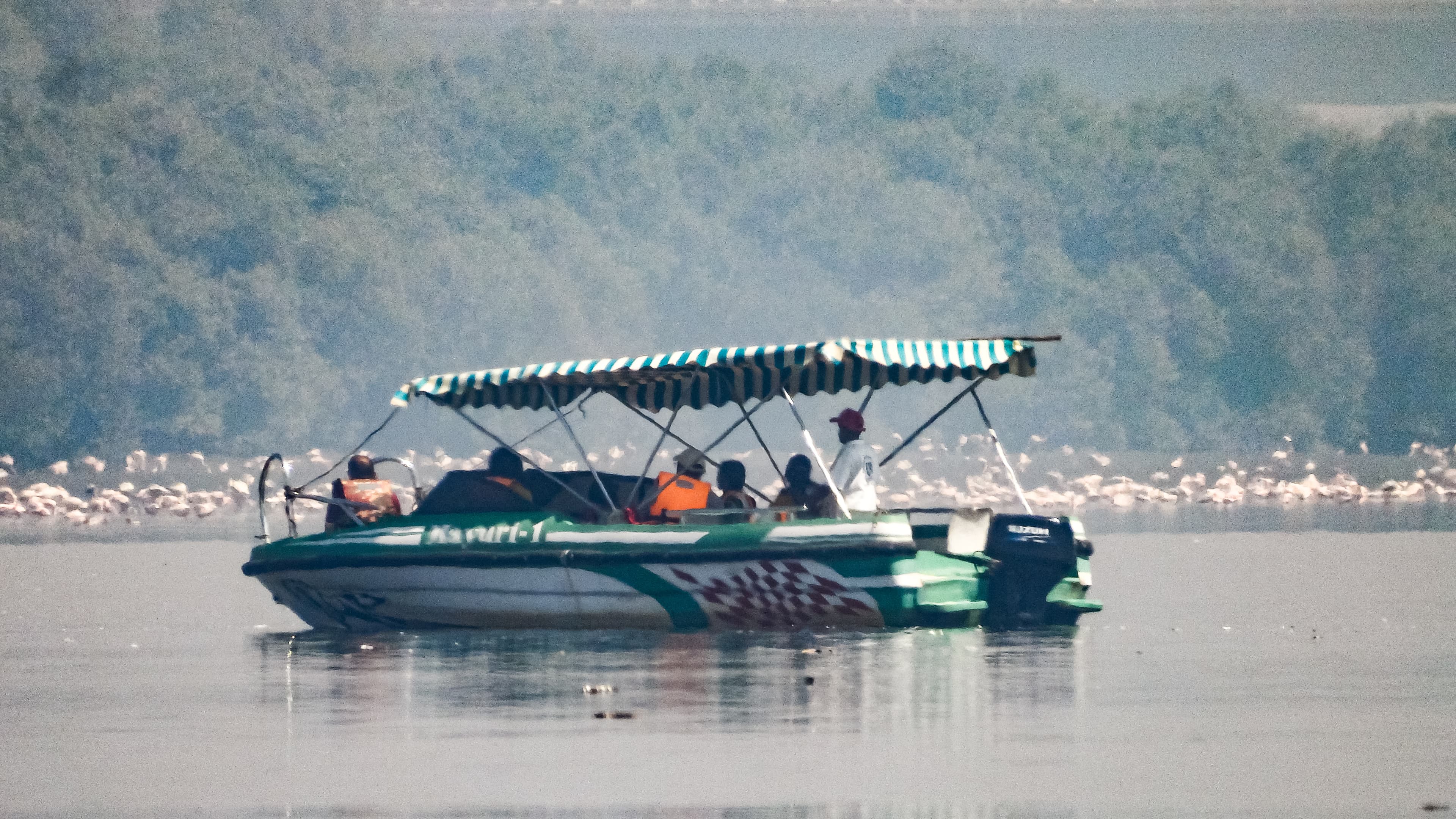
Flamingo Boat Rides in Mumbai
Witness thousands of flamingos in Mumbai’s creeks on guided boat rides through mangrove wetlands.
Nature Walks in Mumbai
Discover the hidden natural wonders of Mumbai with our guided Nature Walks, exploring the city’s green pockets, wetlands, and coastal ecosystems through the eyes of a naturalist.